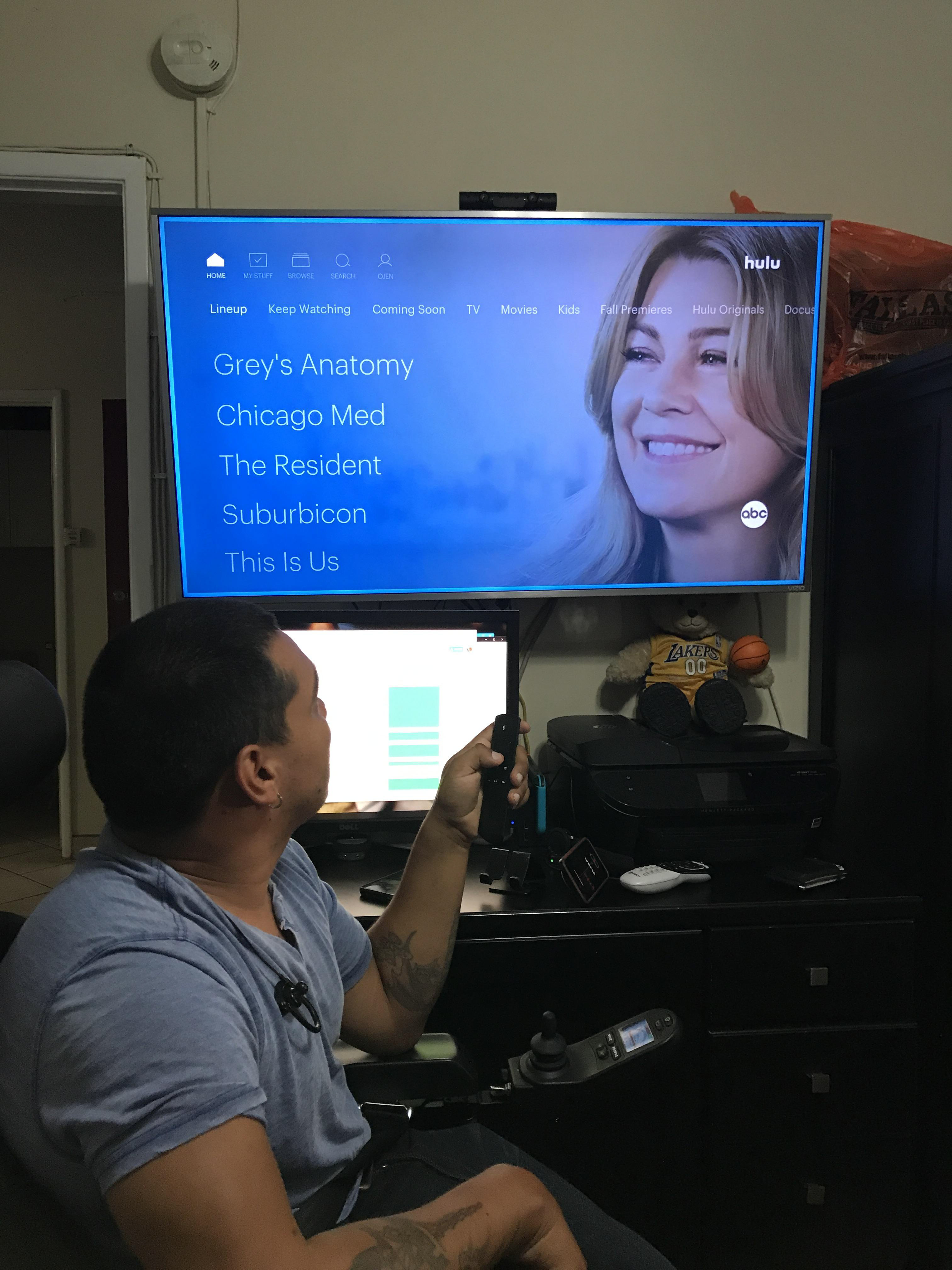
How might we design our streaming service to be more accessible for people with special needs or different challenges
[when it comes to discovering and/or viewing content?]
My role: UX Researcher, Product Designer
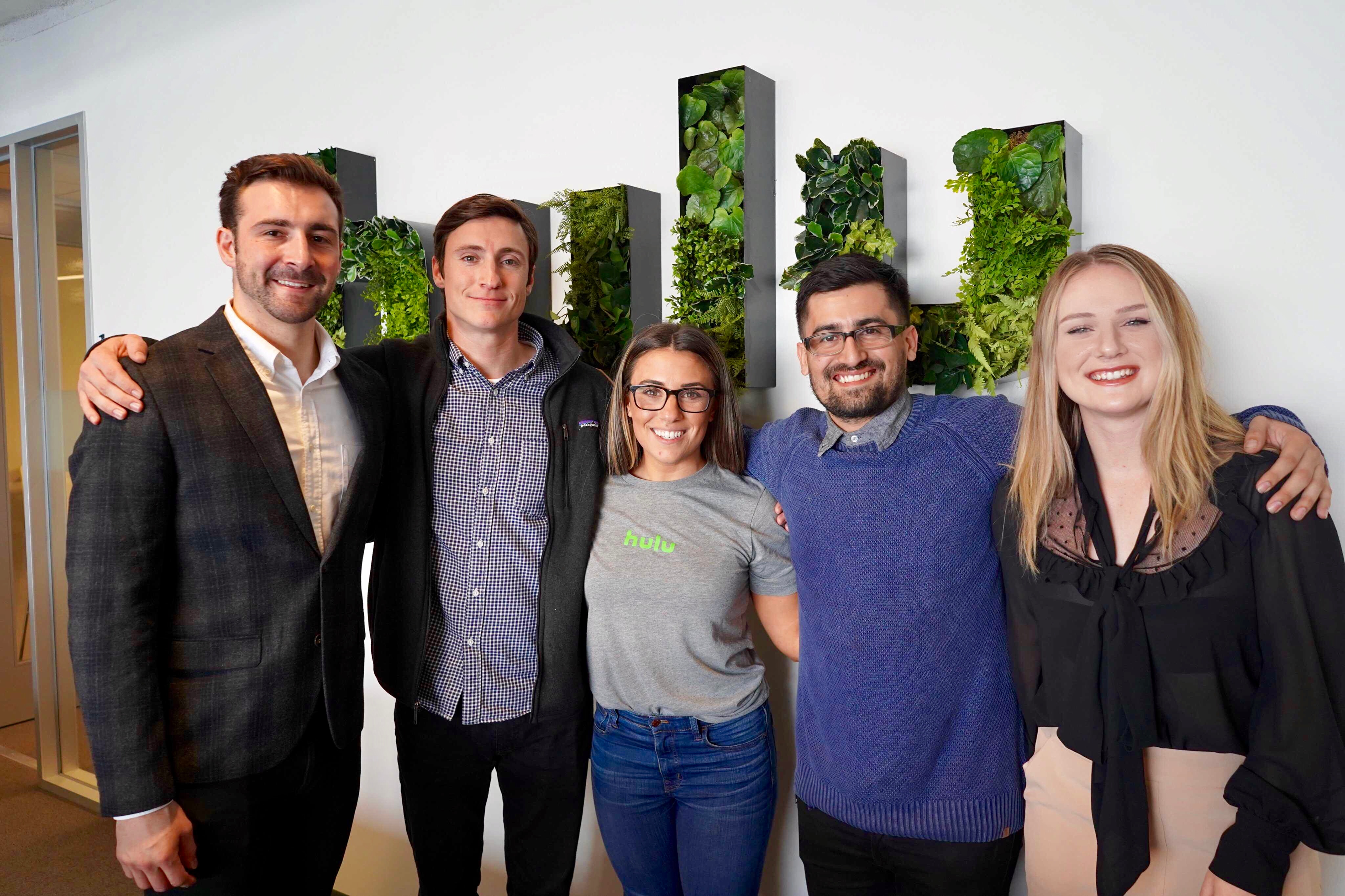
Collaborators: Esteban Gonzalez,
Michael Schaffer,
Zach Lalich,
Jessica Baluyot (Product Designer at Hulu),
Hulu
Project Overview
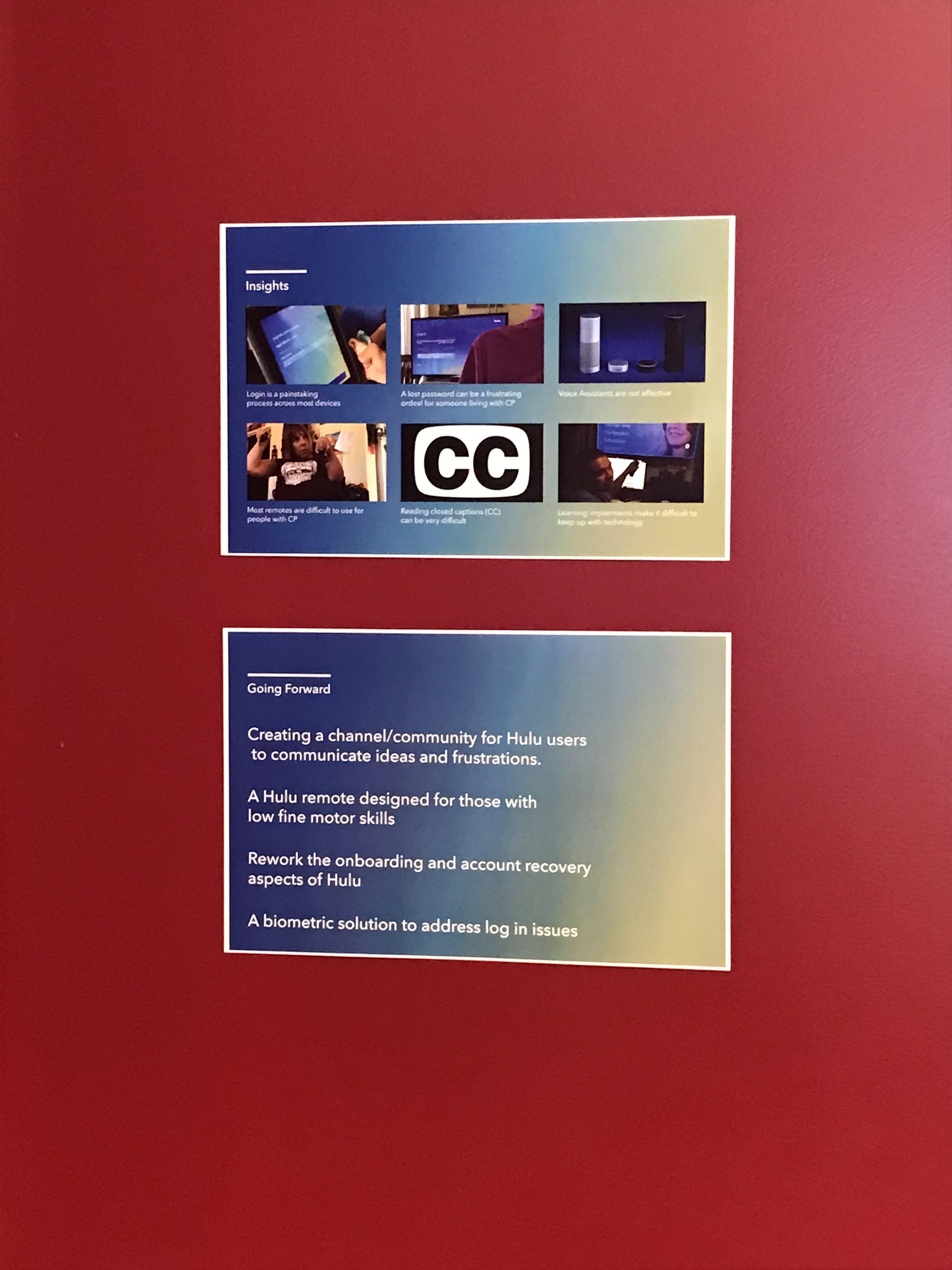
Through our research process, we gained insights into how people with Cerebral Palsy interact with Hulu in both the digital and physical space.
In-home interviews
Ethnographic Research: Observing them in the home environment to gain an understanding of the limitations and motivations that drive or hinder our users.
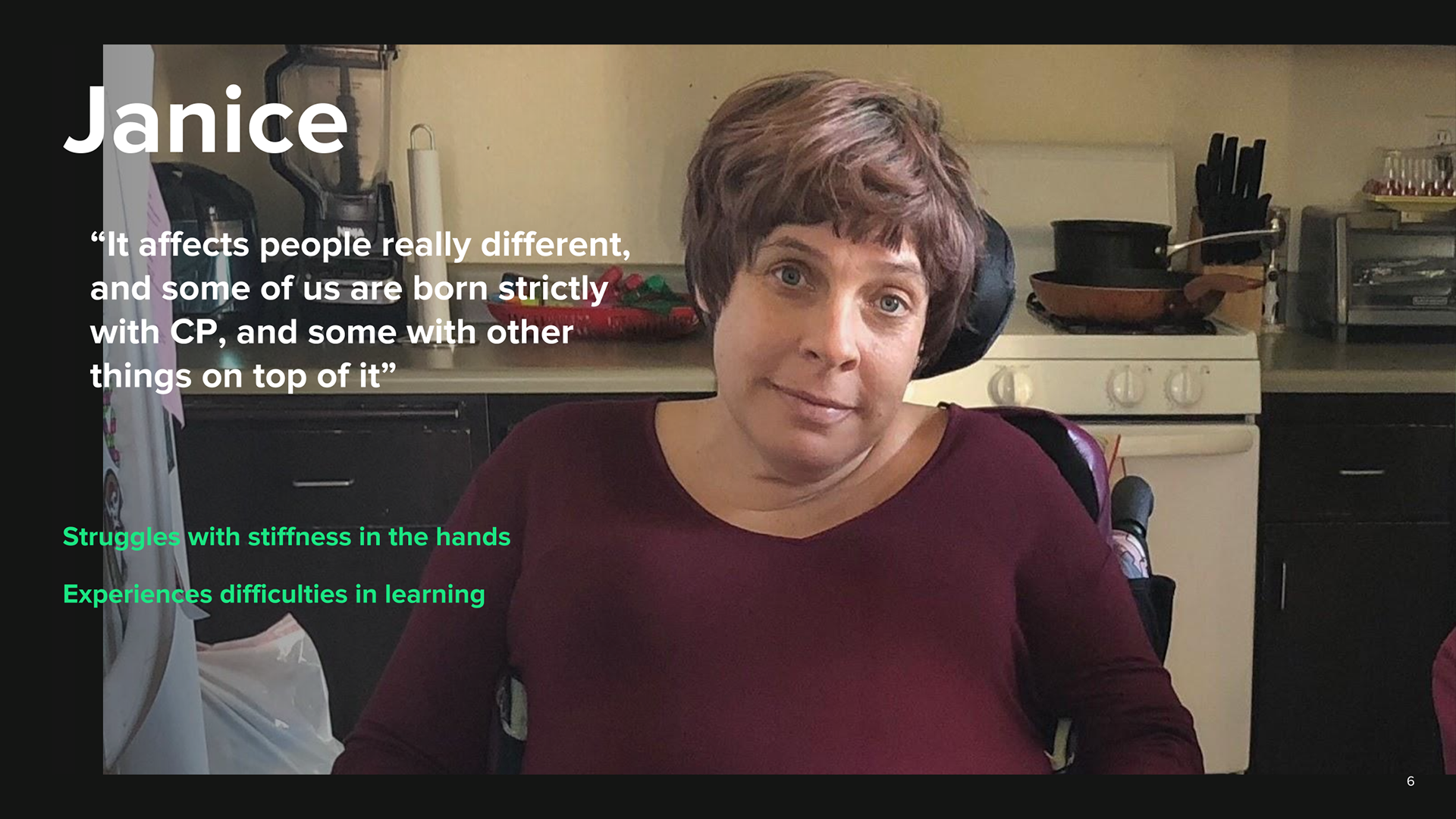
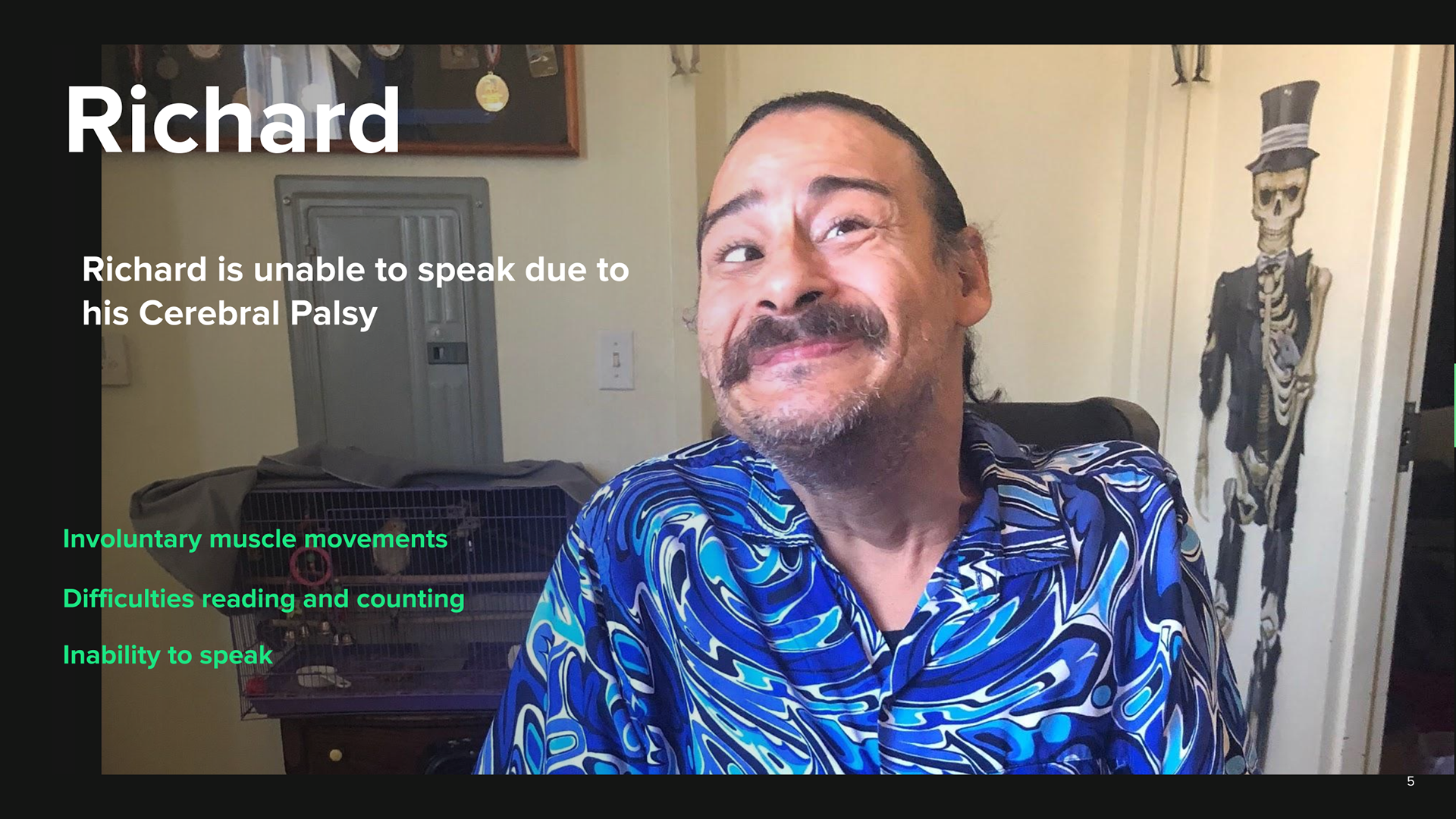
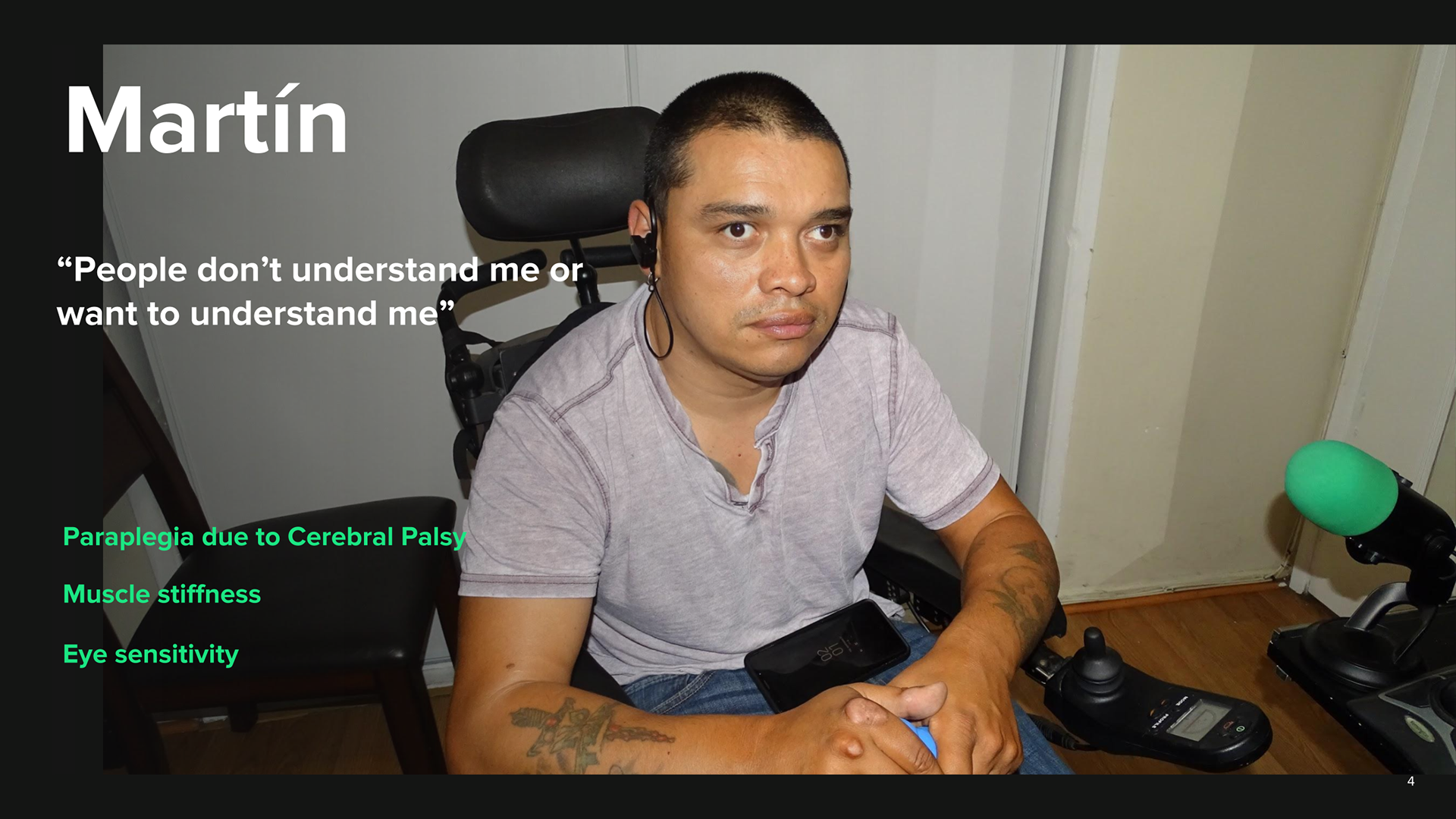
Our Participants
(Names have been changed to protect identity)
Empathy Map
We then created an empathy map to synthesize our findings and identify patterns.
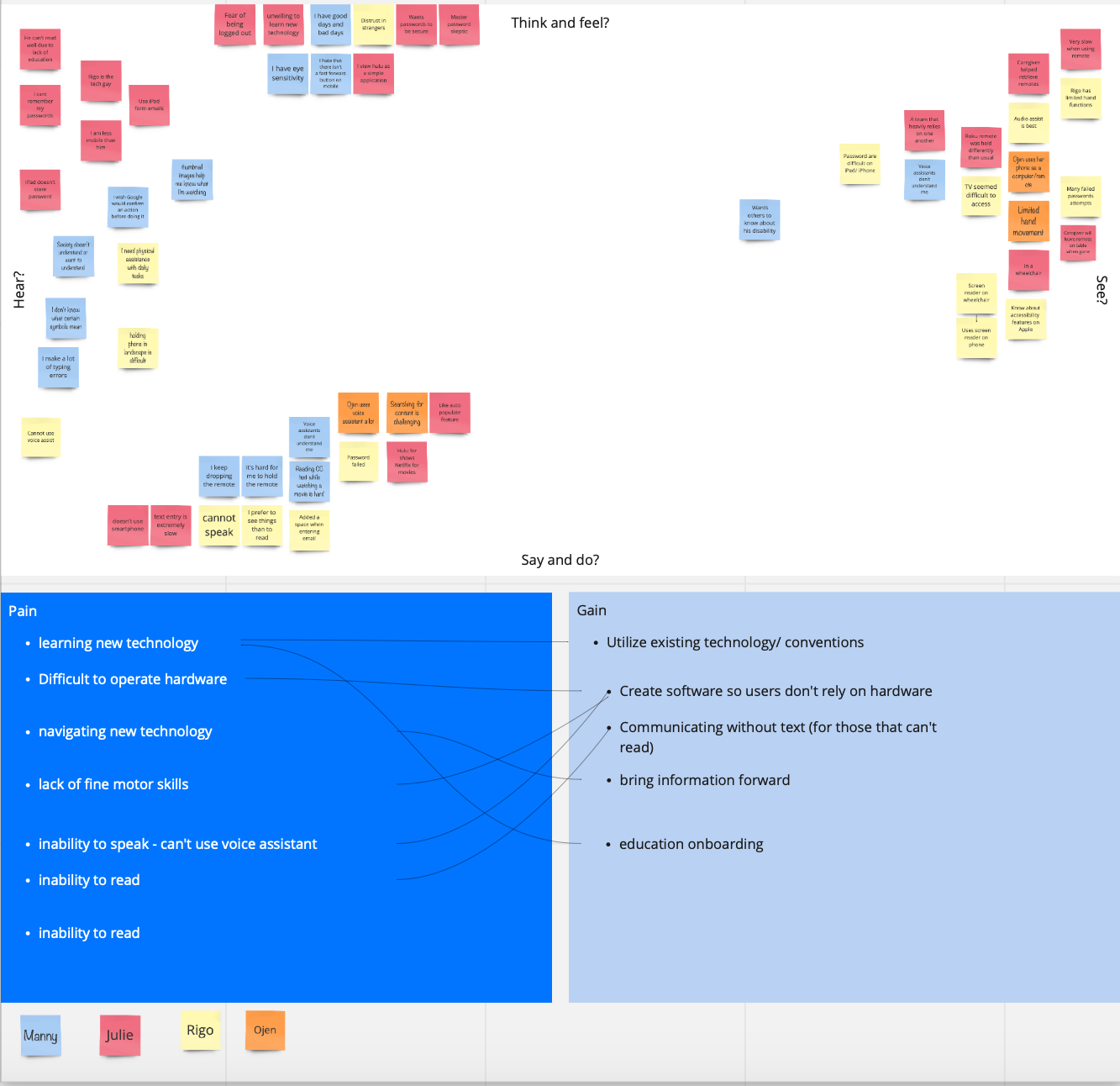
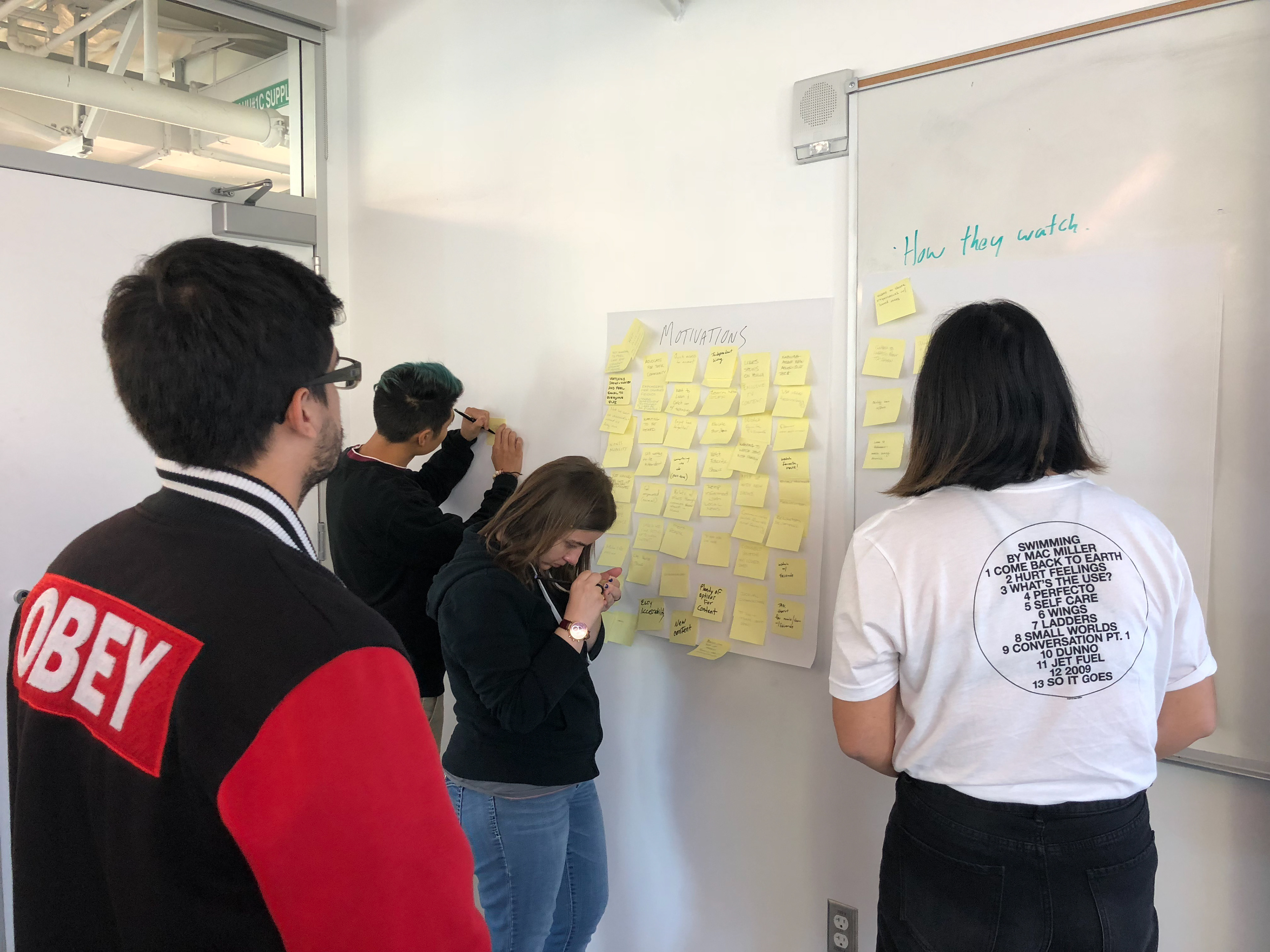
Synthesizing findings as a class to identify themes
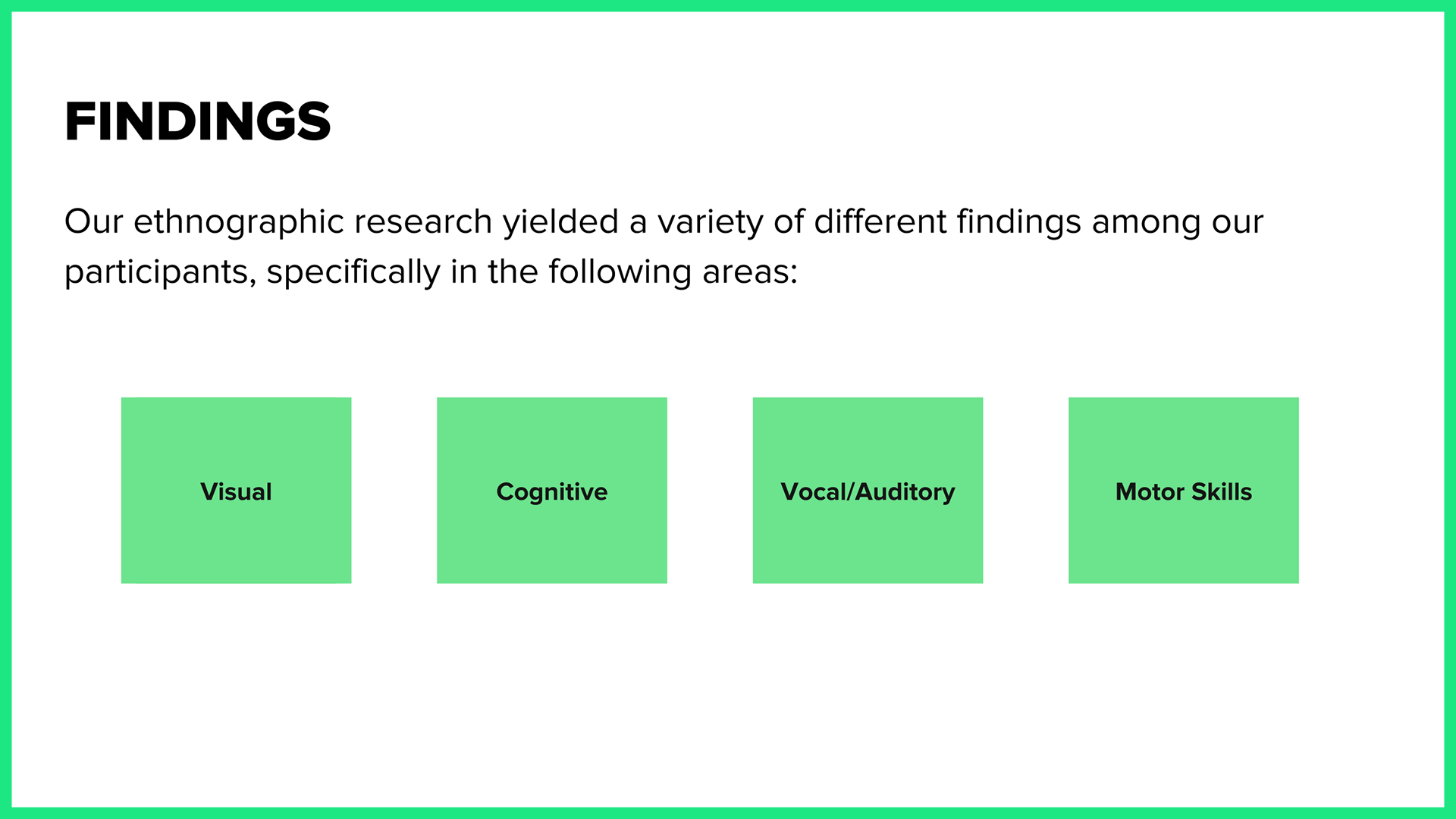
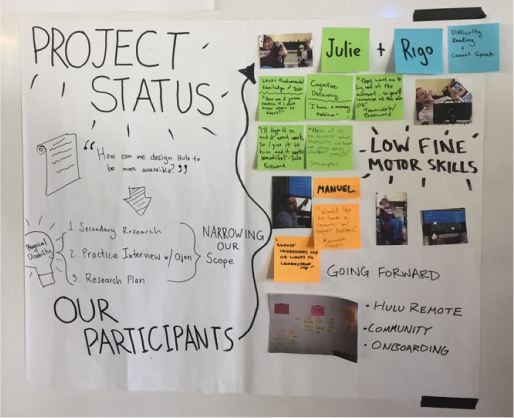
Specific tasks were created in order to uncover pain points that our participants might encounter while using the service. Techniques such as a think-aloud protocol were used in order to collect qualitative data about their struggles in an effort to begin thinking about our solution.
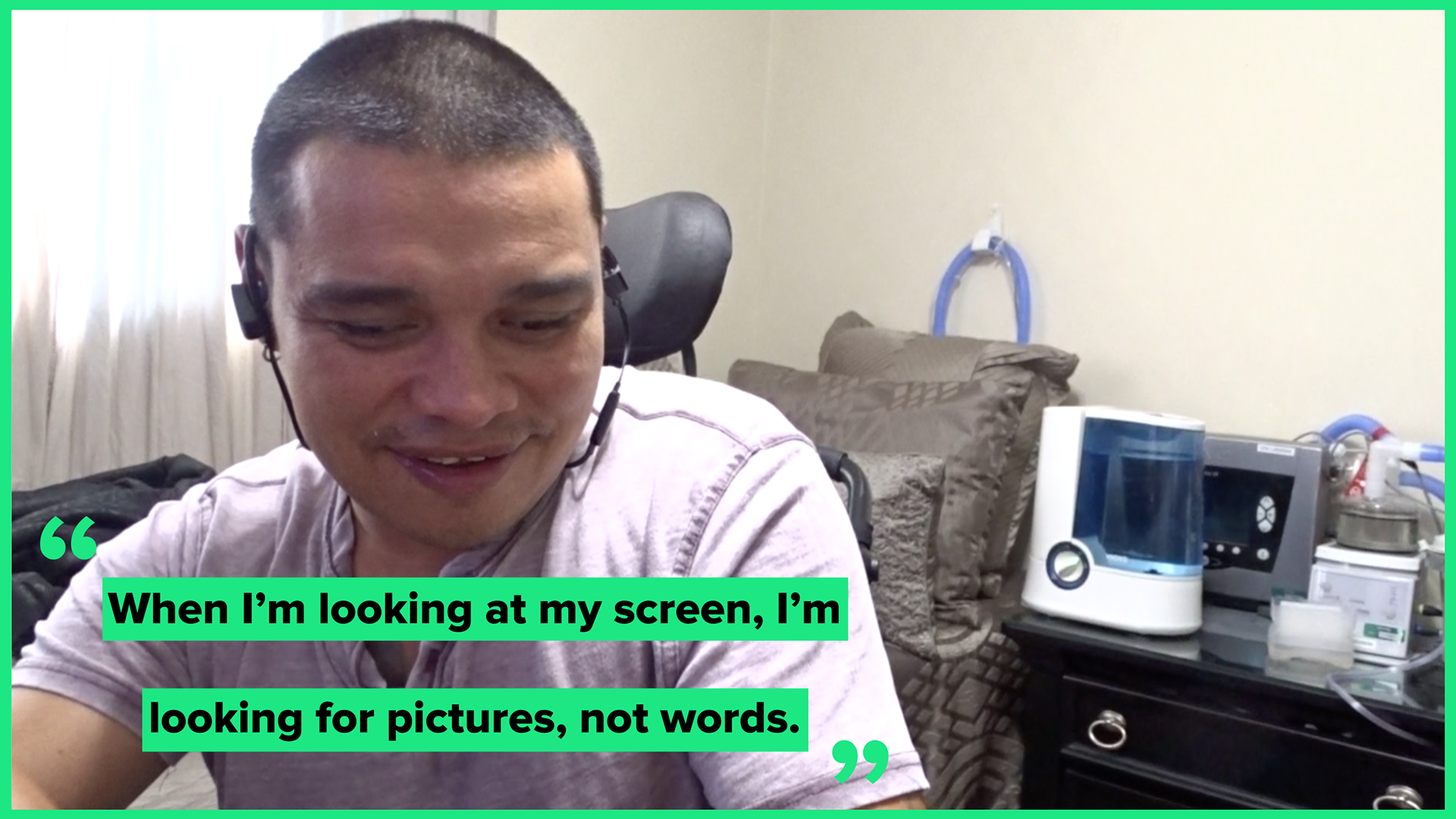
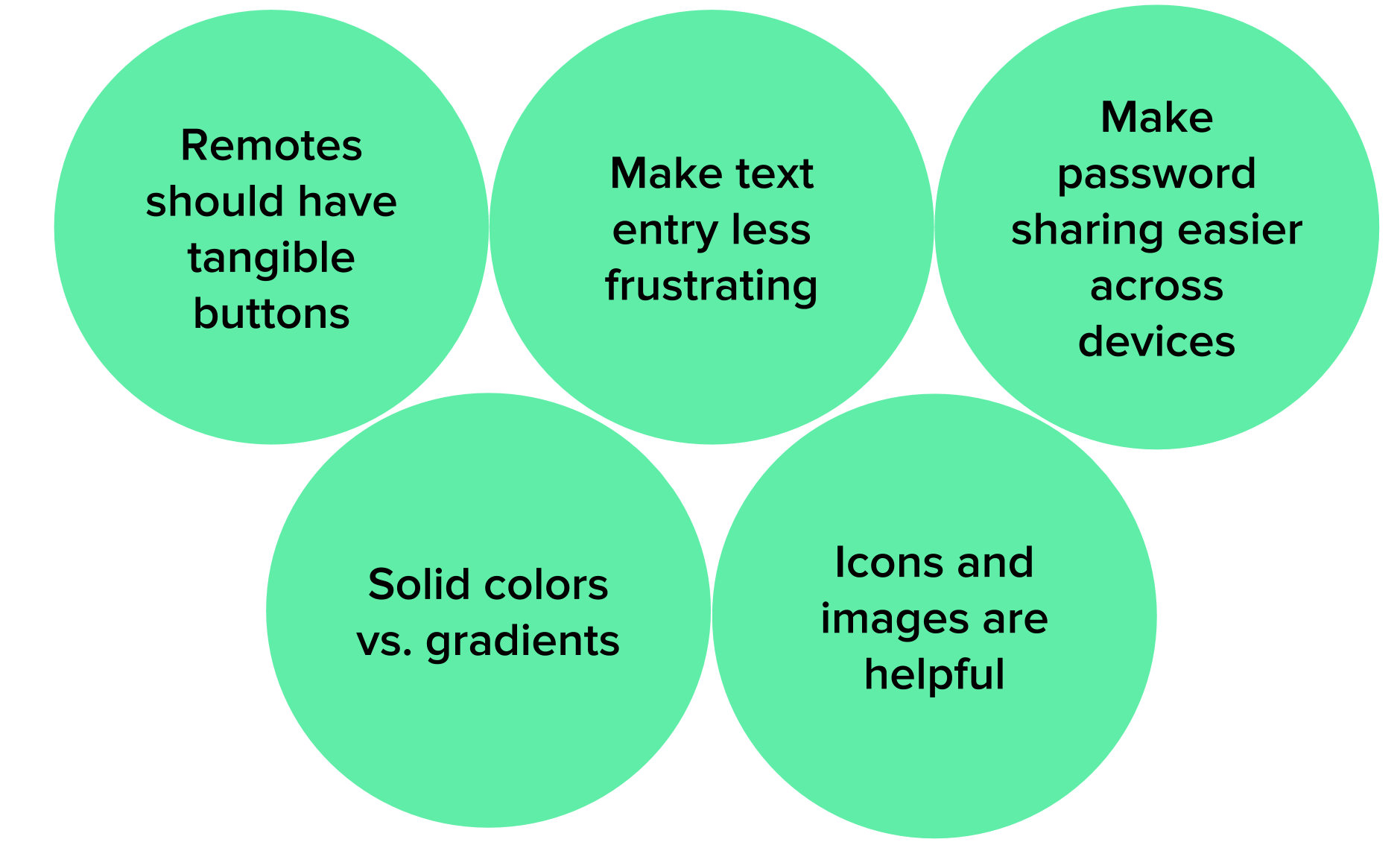
Key Insights based on findings
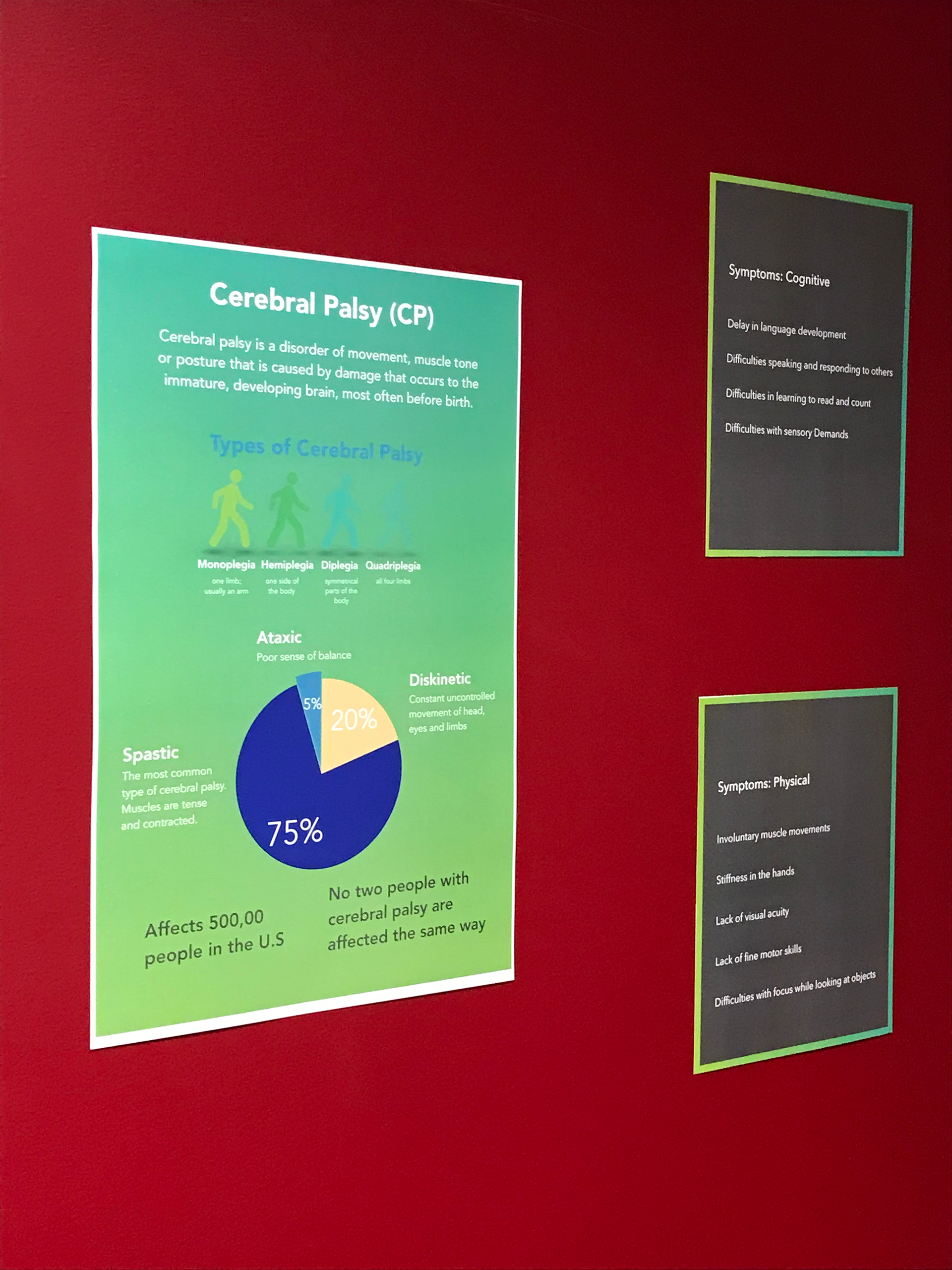
Midterm Presentation: Synthesized findings
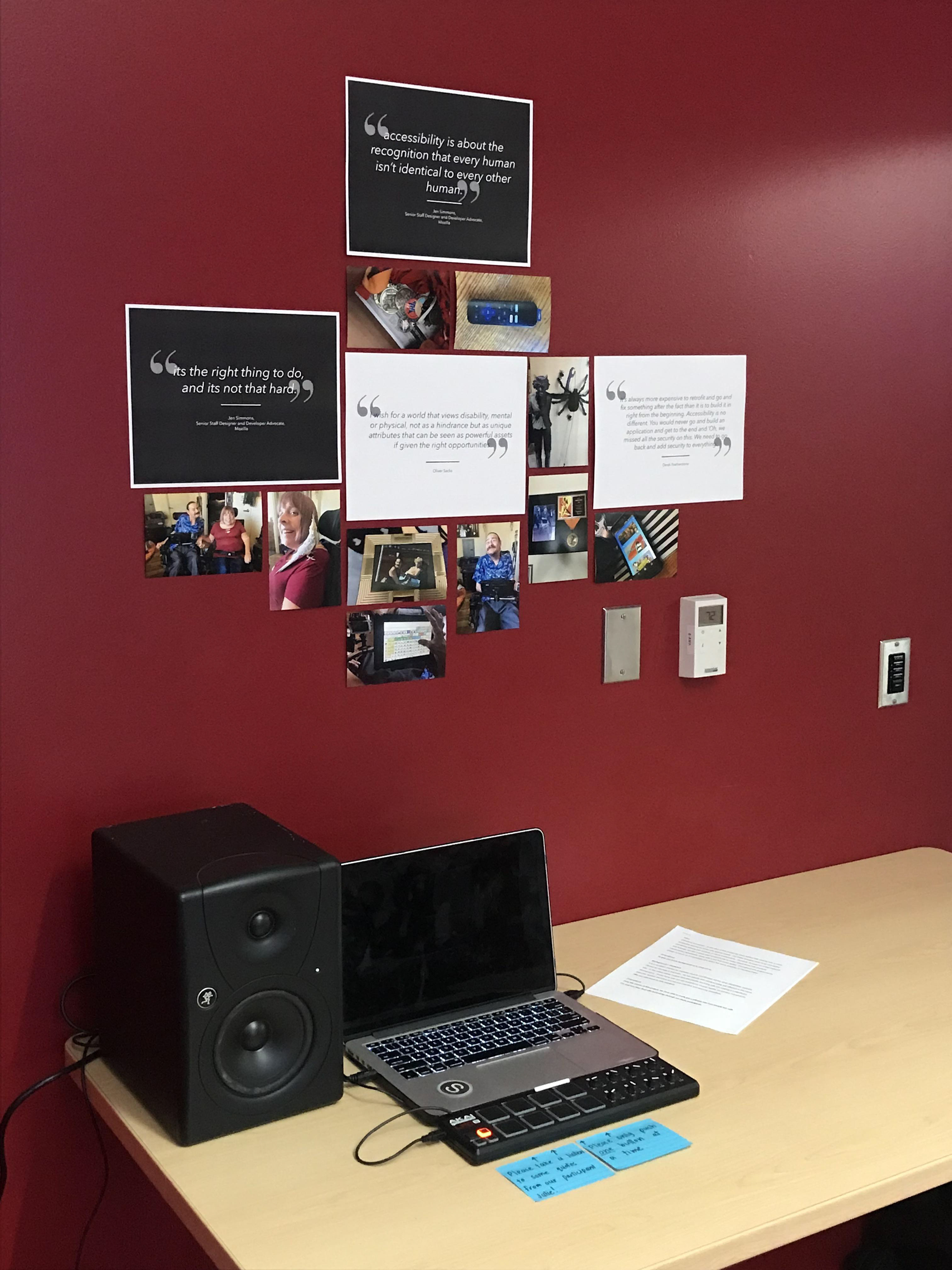
Our midterm presentation was a no-screens-allowed presentation of our findings thus far and possible solutions/next steps.
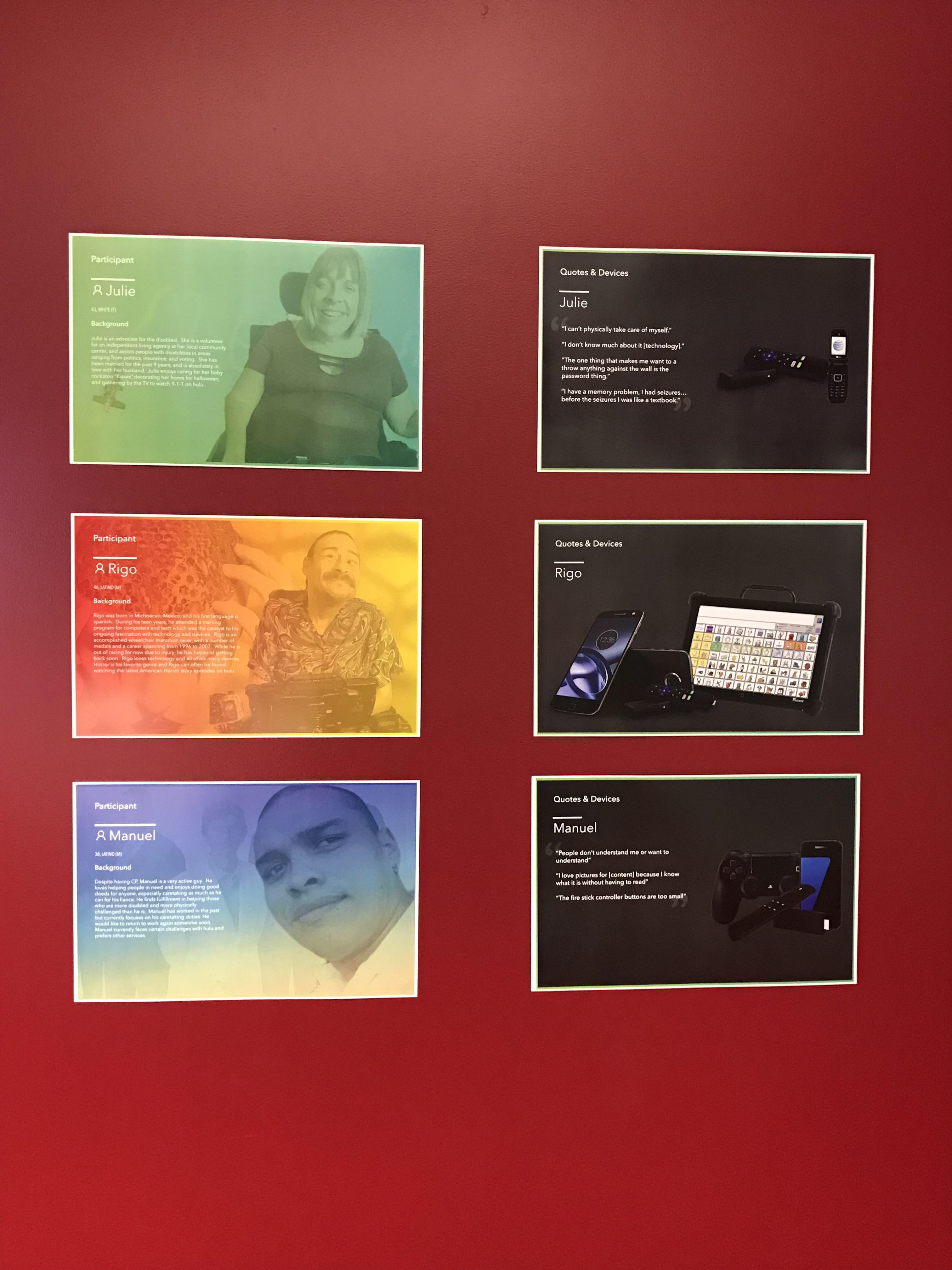
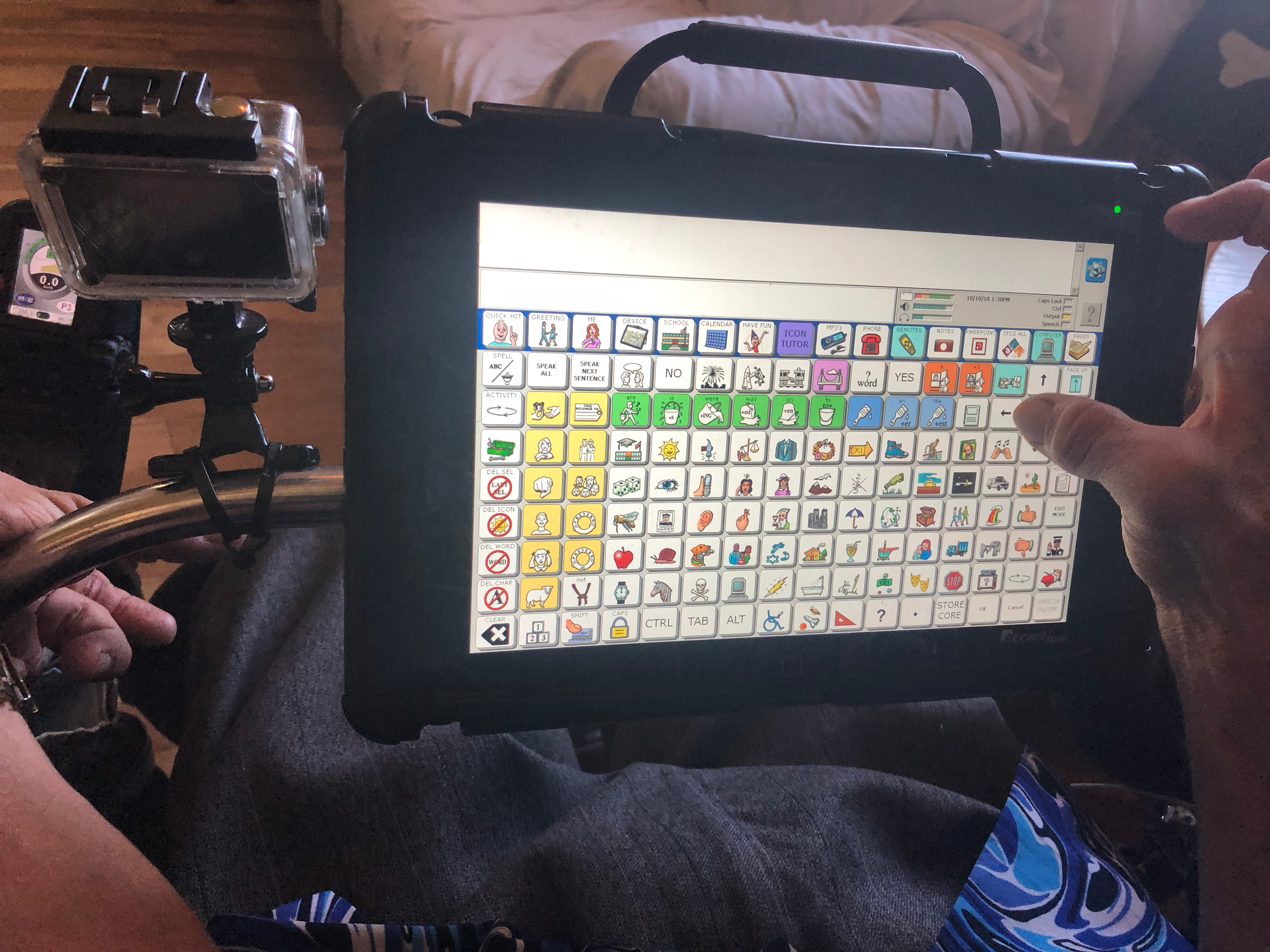
Our participants and their devices
Insights with their devices
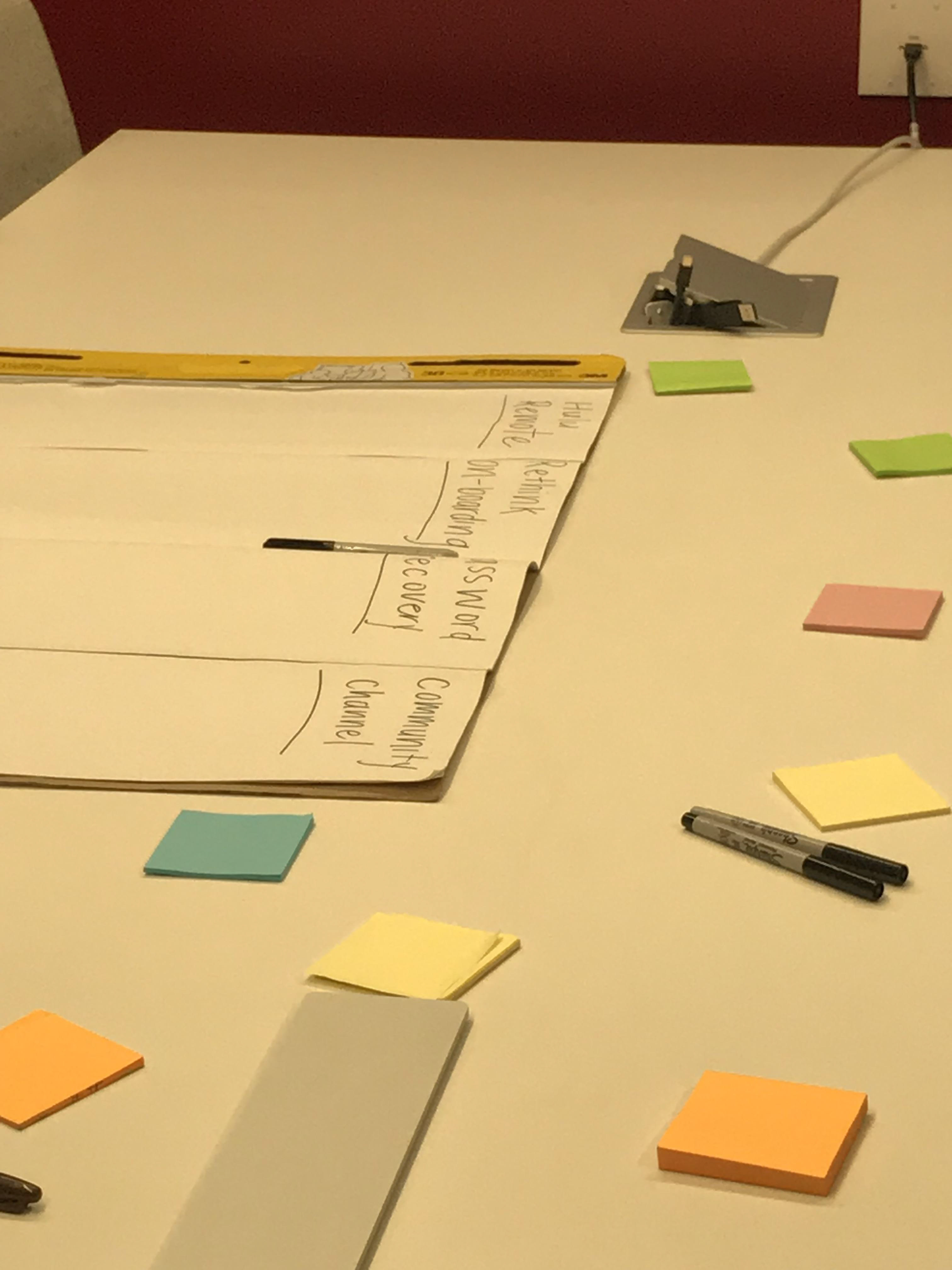
Co-creative workshop
Prototype
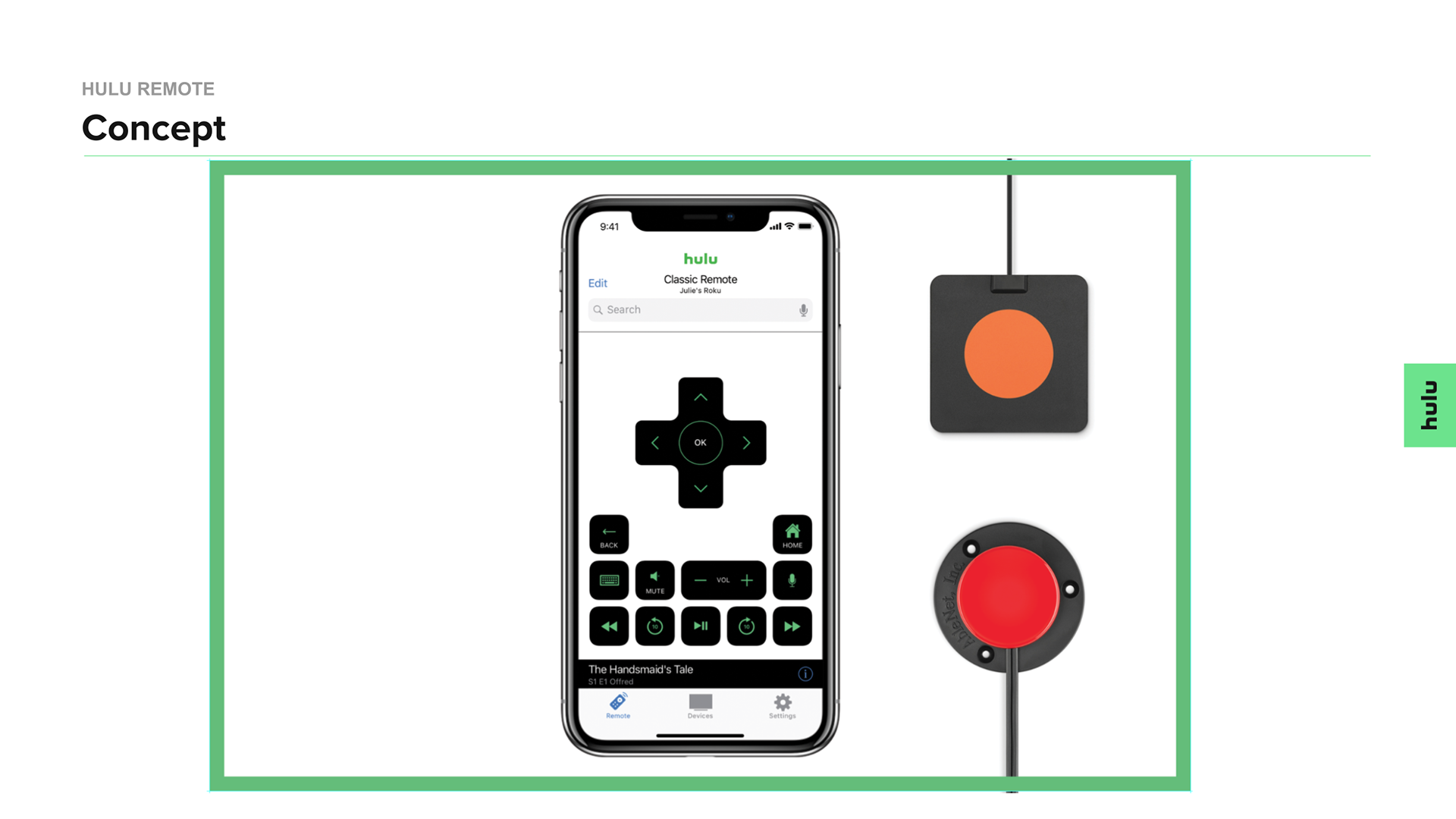
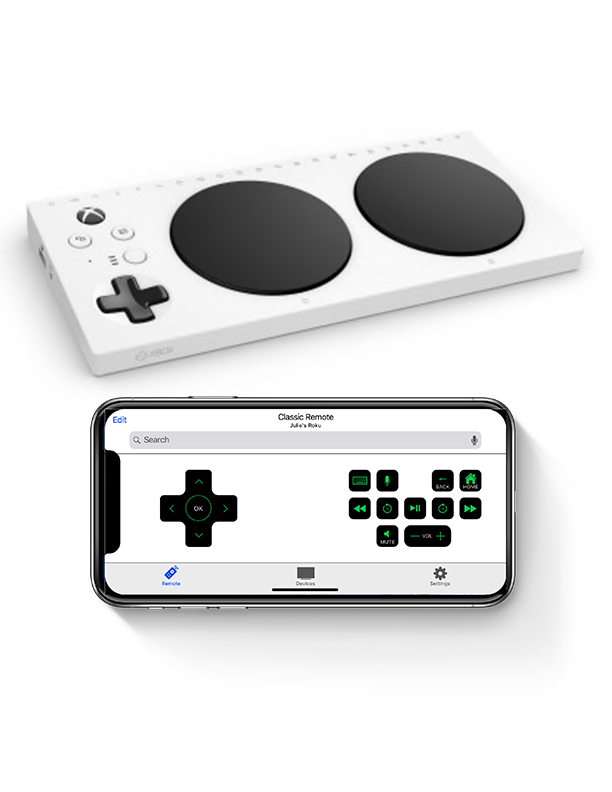
Our participants all used different types of assistive devices, so we wanted to create a digital remote that would be compatible with any assistive device to enhance and ease the streaming experience.
First Iteration
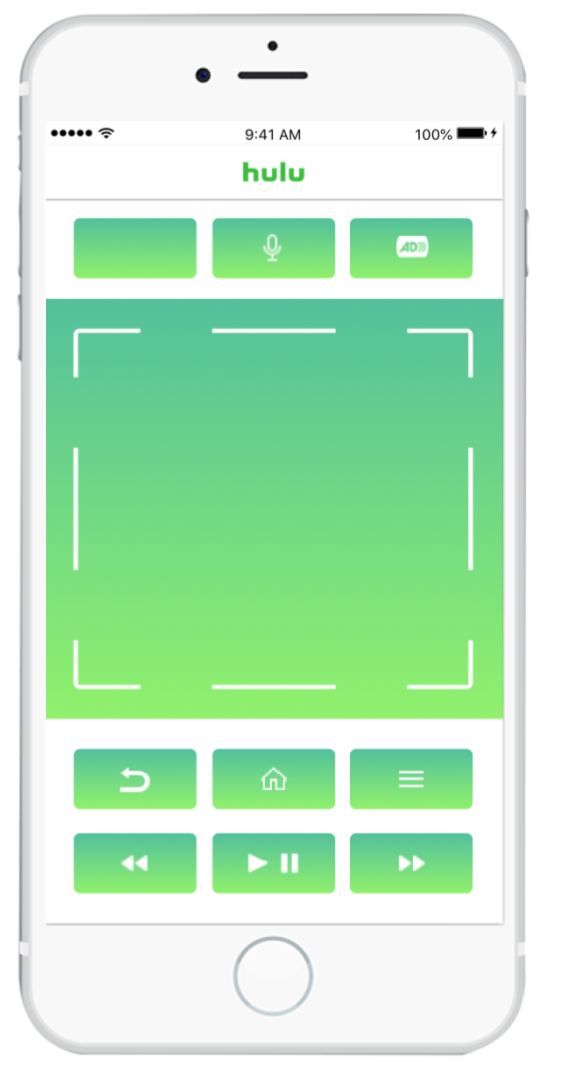
We tested this and gradients were hard on our participants due to eye sensitivity
Second Iteration
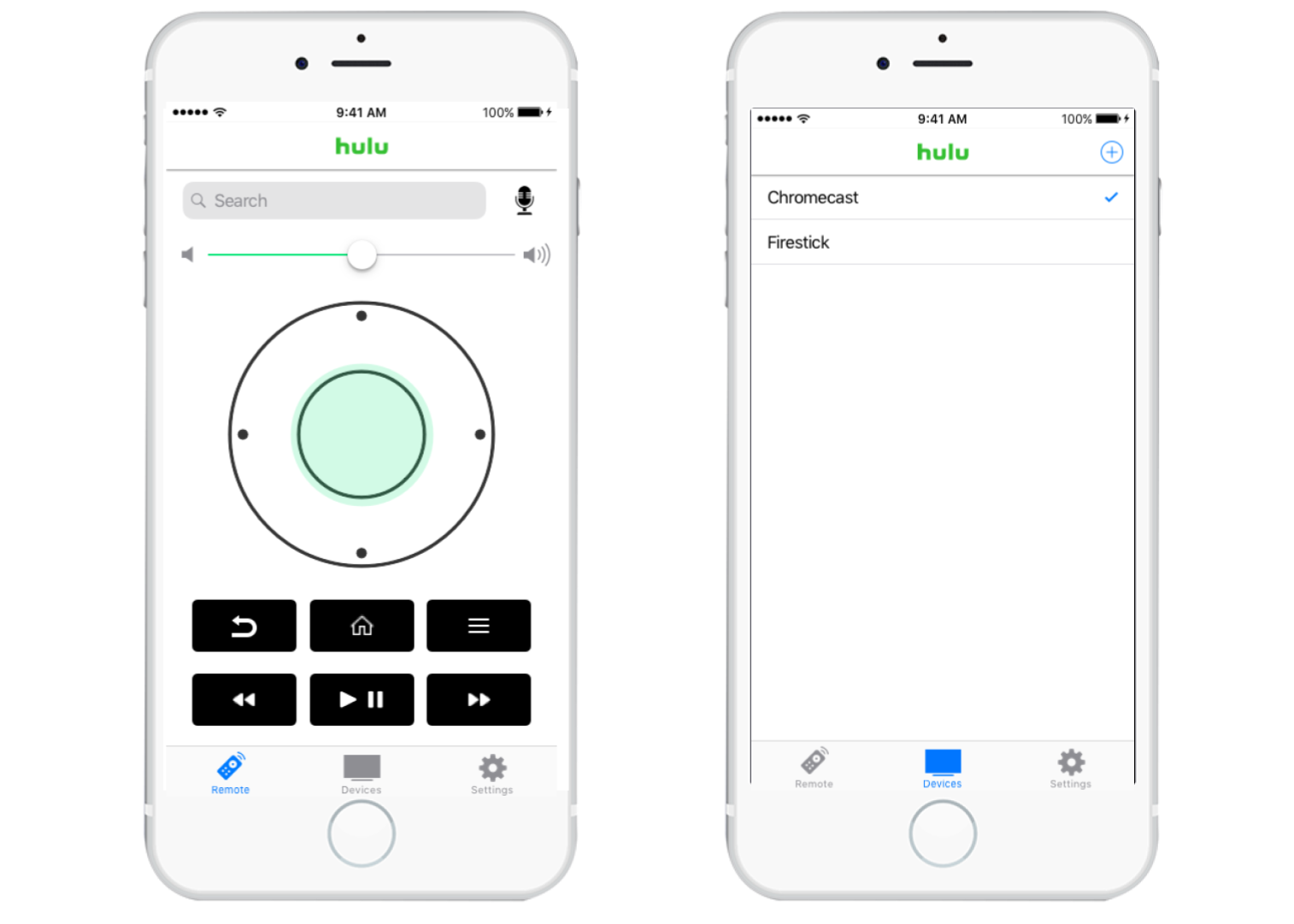
Some of the buttons were still too small for them and hard to click due to muscle spasticity
Final Iteration
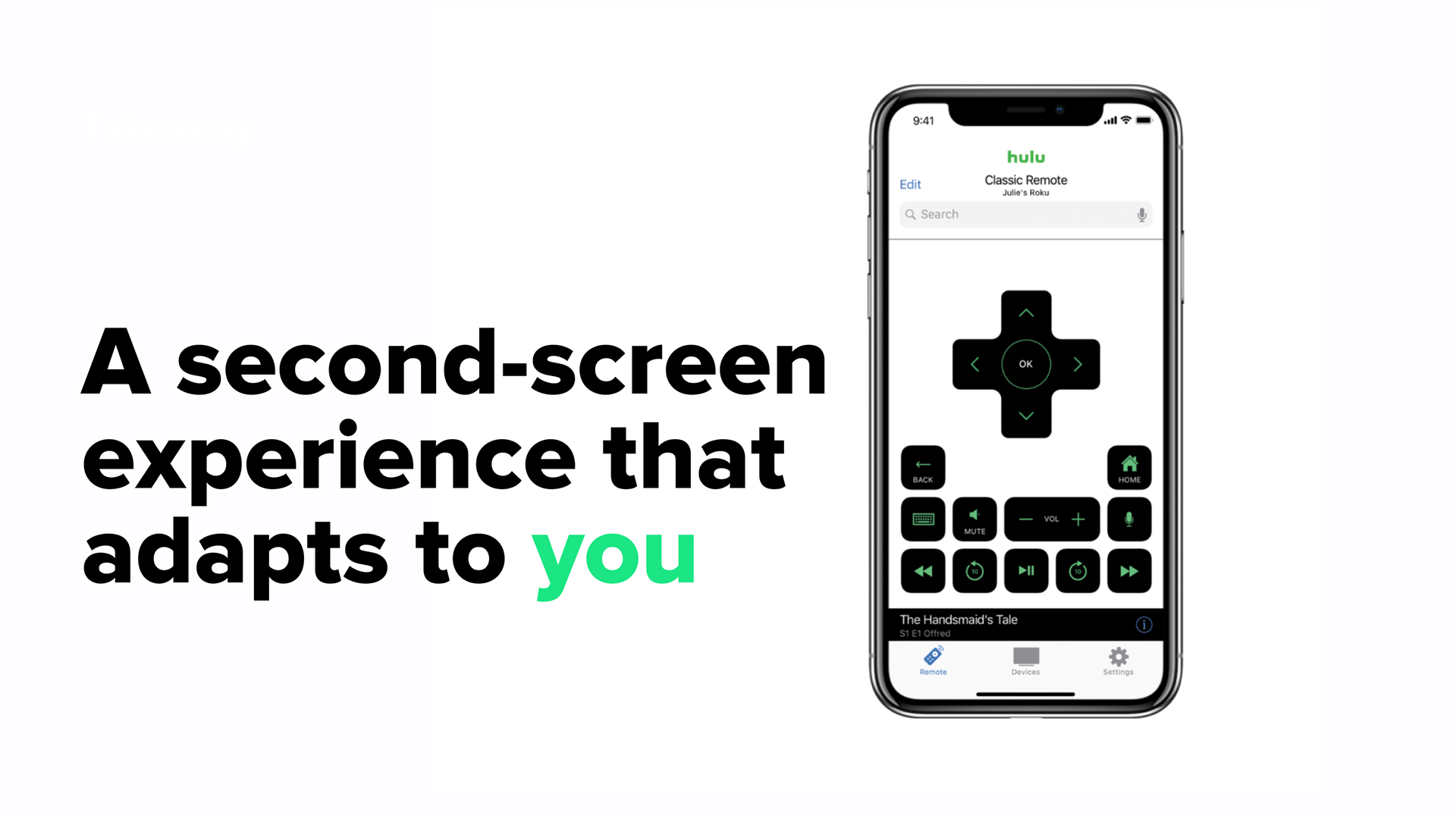
While all our participants had the same disability, they all had different needs. For them we created a digital remote with a customizable, modular interface